
Investing in gold has long been thought-about a protected haven for buyers, particularly throughout occasions of financial uncertainty. Gold serves not solely as a hedge towards inflation but also as a technique of diversifying an funding portfolio. This detailed study report aims to discover various methods of investing in gold, the advantages and disadvantages of every method, and important issues for potential traders.
Understanding Gold as an Investment
Gold has intrinsic worth, which has been recognized throughout cultures and civilizations for 1000's of years. In contrast to paper foreign money, gold can't be printed or created at will, making it a finite useful resource. This scarcity usually drives its worth, particularly in occasions of economic instability.
Gold is usually measured in troy ounces, with one troy ounce equating to approximately 31.1 grams. The worth of gold fluctuates primarily based on varied elements, including market demand, geopolitical tensions, forex strength, and inflation rates. Buyers typically flip to gold for its skill to retain worth over time, making it a preferred selection for wealth preservation.
Methods of Investing in Gold
There are several ways to invest in gold, every with its unique traits, advantages, and risks. Below are the most typical methods:
1. Physical Gold
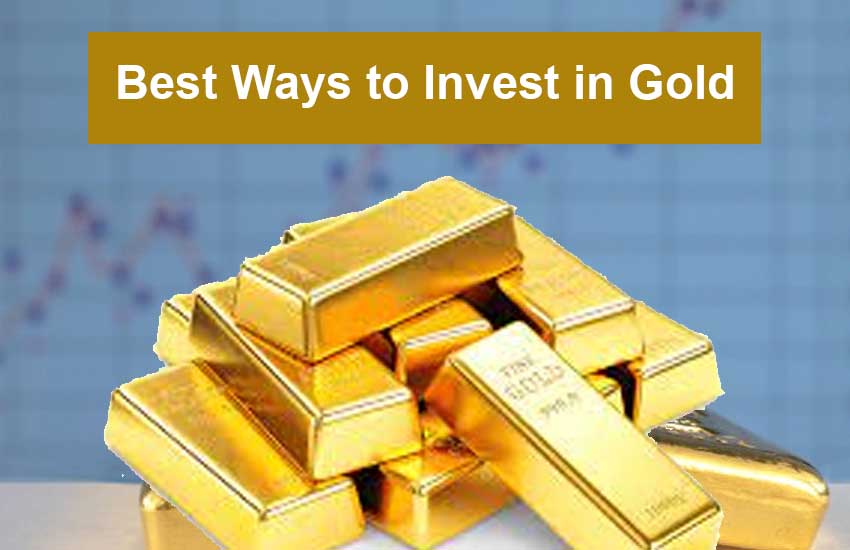
Investing in bodily gold involves purchasing gold bullion, coins, or jewelry.
- Bullion: That is gold in its purest kind, normally available in bars or ingots. Investors can buy bullion from dealers, banks, or online platforms. The worth of bullion is typically based on the present market worth of gold plus a premium for manufacturing and distribution.
- Coins: Gold coins, such as the American Gold Eagle or the Canadian Gold Maple Leaf, are well-liked amongst buyers. These coins are minted by governments and infrequently carry a better premium than bullion because of their collectible worth.
- Jewelry: Whereas jewellery could be a solution to invest in gold, it is usually not really useful for investment purposes due to excessive markups on craftsmanship and design, which do not contribute to the intrinsic worth of the gold itself.
- Tangible asset that may be held and saved.
- Gives a sense of safety and possession.
- Could be simply liquidated in occasions of need.
- Requires secure storage and insurance.
- Subject to theft or loss.
- Could contain excessive premiums and transaction costs.
2. Gold Trade-Traded Funds (ETFs)
Gold ETFs are funding funds that trade on inventory exchanges, just like stocks. They goal to trace the value of gold and are backed by bodily gold held in reserve.
Advantages:
- Simple to buy gold virtually and sell by way of brokerage accounts.
- No need for bodily storage or insurance coverage.
- Sometimes lower expense ratios compared to mutual funds.
- Administration fees that may erode returns.
- No physical ownership of gold bars for sale online.
- Price may not completely track the price of gold as a result of administration prices.
3. Gold Mining Stocks
Investing in gold mining companies gives publicity to gold prices by the fairness market. When gold costs rise, mining companies usually see elevated earnings, which may lead to increased inventory costs.

Benefits:
- Potential for greater returns compared to physical gold.
- Dividends could also be paid by mining firms.
- Publicity to the expansion potential of mining operations.
- Mining stocks are subject to operational risks and management efficiency.
- Inventory costs might not correlate straight with gold prices.
- Market volatility can affect inventory performance.
4. Gold Futures and Choices
Gold futures and choices are monetary derivatives that permit traders to speculate on the future price of gold. Futures contracts obligate the buyer to buy gold at a predetermined worth at a specified future date, while options give the purchaser the precise, however not the obligation, to purchase or sell gold at a set value.
Benefits:
- Potential for top returns with leverage.
- Potential to hedge in opposition to value fluctuations.
- High risk as a consequence of leverage, which might lead to vital losses.
- Requires a deep understanding of the market.
- Not appropriate for inexperienced investors.
Factors to contemplate Before Investing in Gold
Before investing in gold, it is important to contemplate a number of components:
- Funding Targets: Decide whether gold is supposed for short-term speculation or long-term wealth preservation. Your funding technique will influence the strategy of gold investment you choose.
- Market Situations: Keep informed about financial indicators, geopolitical events, and market tendencies that can impression gold costs. Understanding these components can assist you to make extra informed investment choices.
- Diversification: Gold ought to be a part of a diversified funding portfolio. If you liked this informative article in addition to you wish to acquire more details with regards to click the up coming post kindly check out our own internet site. Consider how a lot of your portfolio you need to allocate to gold and the way it suits together with your other investments.
- Costs and Fees: Bear in mind of any prices related to buying, selling, and storing gold. This includes premiums on physical gold, management fees for ETFs, and transaction costs for getting and promoting stocks.
- Laws and Taxes: Perceive the tax implications of investing in gold. In lots of international locations, gold investments could also be topic to capital gains tax, and there may be specific rules regarding the ownership of bodily gold.
Conclusion
Investing in gold is usually a priceless addition to an investment portfolio, providing a hedge in opposition to inflation and economic uncertainty. Whether you select to put money into physical gold, ETFs, mining stocks, or derivatives, it's essential to conduct thorough research and perceive the risks and rewards related to every technique. By considering your investment targets, market conditions, and costs, you can also make informed choices that align with your financial objectives. As with every funding, it is smart to seek the advice of with a financial advisor to tailor your strategy to your particular person circumstances.