

Content
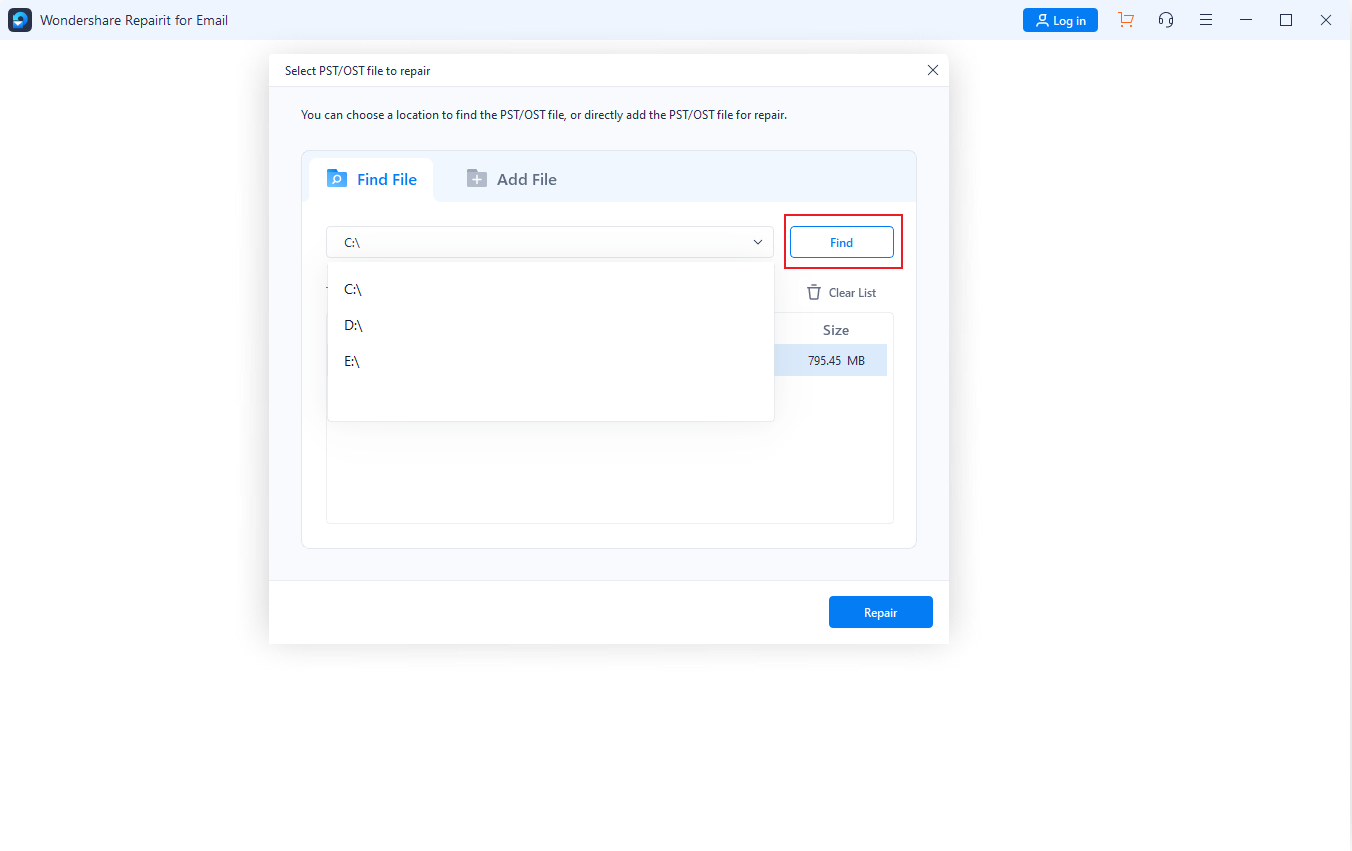
When he reboots his laptop, he cannot connect to Exchange via Outlook. If he flushes DNS, inbox repair tool alternative he can reconnect even though the address/host name doesn’t change and his pingpath is unaltered. Imagine being able to load websites faster just by executing this simple command! This procedure proves especially useful if you’ve noticed that certain web pages are loading slowly or displaying outdated information after changes were made in your network configuration. This often happens because the cached DNS record is stale or incorrect.
- When it comes to troubleshooting your internet connection, understanding how a simple act like flushing your DNS cache can remedy multiple problems is key.
- Flushing DNS on Linux can indeed feel a bit daunting due to the multitude of distributions available, each with its own quirks and methods.
- Over time, as you browse and download various files, your system may store incorrect DNS information that leads to frustrating loading errors or inability to connect to certain websites.
- Translating tech talk into everyday language—because everyone deserves to understand their software.
- It’s almost symbolic—a fresh start for your internet browsing.
- Moving forward from a simple reboot, we now focus on ensuring that your network settings are configured correctly.
- A large OST file can lead to performance issues and result in Outlook not syncing with the Exchange Server, disrupting your workflow.
- To resolve this, you can reduce the Outlook data file (OST) size.
- Flushing that cache wipes the slate clean, allowing your computer’s resolver to fetch the latest and most accurate IP addresses for websites.
Solutions to Fix the Sync Issues in Outlook
With the Command Prompt window now at your fingertips, you’re ready for the next crucial step. Translating tech talk into everyday language—because everyone deserves to understand their software. Create your account and connect with a world of communities.
How to Resolve Sync Issues in Outlook – A Detailed Guide
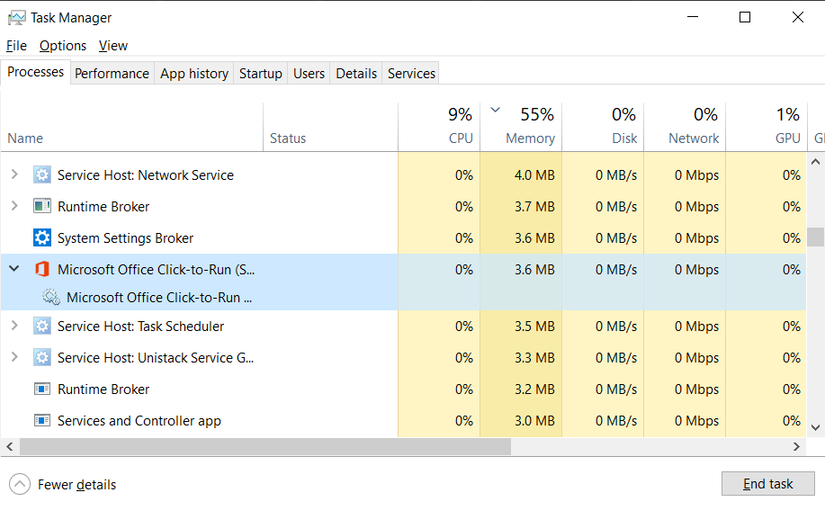
This command checks the listening services for DNS queries on port 53. Being informed about your system’s configuration allows for a much smoother experience when addressing connectivity issues later on. By adopting flushing DNS cache as part of your routine tech maintenance, you’re better equipped to tackle frustrating internet issues while enhancing both speed and security. Now, let’s look at specific challenges that this simple action can resolve effectively. Resolving these concerns shouldn’t take long either; averages suggest that fixing slow connections often takes around 15 minutes, while addressing website access issues typically wraps up in about 10 minutes. Sometimes trouble can originate from the router side of things rather than your individual device.
Method 12: Disable Security Applications
Restarting your router can refresh its internal processes much like restarting a computer would do for your operating system. One of the main benefits of flushing your DNS is the refreshing of these stored records. It’s like hitting a reset button on your connection to the internet’s vast landscape.
Flushing DNS Cache: A Step-By-Step Guide to Troubleshoot Your Connection
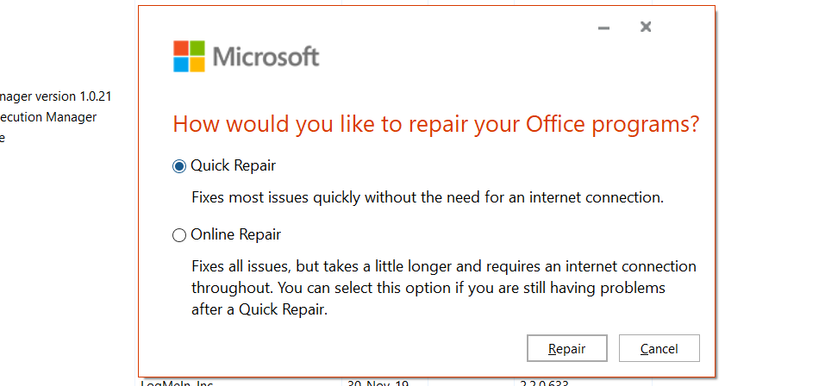
During the scanning process, security applications, like antivirus expert Outlook tips by FixTechGuide software or Windows Firewall might lock the Outlook data file, leading to the sync issues. To check if the security application is causing the issue, you can temporarily disable the antivirus program or Firewall and then update the folders. If the issue is resolved, it indicates that your antivirus software or Firewall is interfering with Outlook.
how to perform a dns flush. IP Release/renew
I have no issues sending email from same account from my phone, laptop, or web mail. Moving forward from a simple reboot, we now focus on ensuring that your network settings are configured correctly. If prompted, enter your password—this is required for administrative privileges. Remember that while you mailbox not updating on IMAP type your password, no characters will appear in the Terminal for security reasons; just hit Enter once you’ve typed it. But beyond just solving existing problems, understanding how this process works can help enhance your overall browsing experience.